Hybrid Computing Architectures: Balancing Cloud, Edge & Quantum
Hybrid computing architectures are reshaping the landscape of technology by integrating the strengths of cloud, edge, and quantum computing. This combination offers enhanced scalability, reduced latency, and unmatched computational capabilities. Organizations are strategically leveraging these elements to optimize performance and resource allocation. As this paradigm evolves, it raises critical questions about implementation and the potential for innovation across various sectors. What implications do these advancements hold for future technological developments?
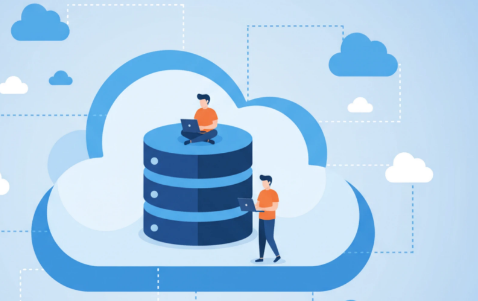
Understanding Cloud Computing in Hybrid Architectures
As organizations increasingly seek to enhance their computational capabilities, understanding cloud computing within hybrid architectures becomes essential.
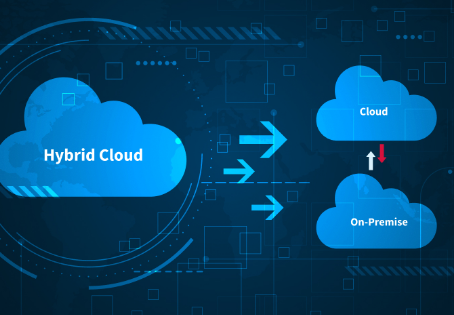
Effective cloud resource management addresses scalability challenges, enabling seamless integration of on-premises and cloud environments. This strategic approach allows organizations to leverage diverse resources while maintaining flexibility and control, ultimately fostering innovation and efficiency.
A comprehensive grasp of these dynamics is vital for achieving optimal performance and resource optimization.
The Role of Edge Computing in Enhancing Performance
Hybrid architectures not only benefit from cloud computing but also significantly enhance performance through the integration of edge computing.
This synergy facilitates latency reduction, enabling real-time data processing at the source. By optimizing resource allocation, edge computing minimizes bandwidth usage and enhances network optimization, ensuring efficient data flow.
Such strategic implementations empower organizations to leverage their computing resources, maximizing operational efficiency and responsiveness.
Read Also: Business Support Line for 8085344300, 8086932222, 8087579501, 8087935921, 8088922955, and 8089836442
Quantum Computing: The Next Frontier for Hybrid Solutions
Quantum computing represents a transformative advancement in the realm of hybrid solutions, offering unprecedented processing capabilities that can tackle complex problems beyond the reach of classical computing.
By leveraging quantum algorithms and harnessing quantum entanglement, organizations can unlock new efficiencies and insights.
This emerging technology promises to redefine computational boundaries, enabling innovative applications across various sectors while enhancing the synergy between cloud and edge environments.
Conclusion
As industries stand on the precipice of innovation, hybrid computing architectures emerge as a beacon of possibility. The intricate dance between cloud, edge, and quantum computing holds the key to unlocking unprecedented performance and efficiency. Yet, the true potential lies in the seamless integration of these technologies, where real-time data processing and complex problem-solving converge. Organizations must navigate this evolving landscape, poised to harness the transformative power of hybrid solutions, forever altering the trajectory of their operational capabilities.