Hybrid Cloud Strategies for Enterprise Resilience
Hybrid cloud strategies have emerged as essential frameworks for enhancing enterprise resilience. By combining public and private cloud infrastructures, organizations can achieve improved resource allocation and adaptability to changing market conditions. This approach not only addresses data security and compliance but also fosters scalable growth. However, the successful implementation of hybrid cloud strategies requires careful consideration of various factors. What are the key components that organizations must focus on to fully leverage these advantages?
Understanding Hybrid Cloud Architecture
Although organizations increasingly adopt cloud solutions, understanding hybrid cloud architecture remains essential for effectively leveraging its benefits.
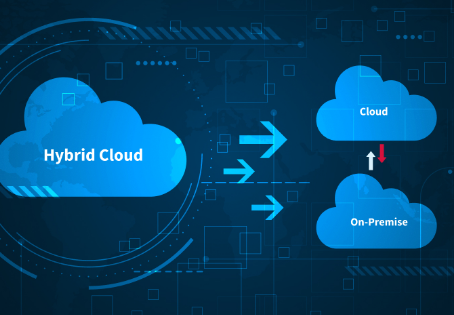
This architecture integrates various cloud components, including public and private infrastructures, creating flexible architecture models.
Key Benefits of Hybrid Cloud Solutions
Numerous organizations are recognizing the strategic advantages of hybrid cloud solutions, which provide a unique blend of flexibility, cost-efficiency, and enhanced control.
These solutions enable businesses to optimize resources, balancing on-premises and cloud capabilities.
The inherent scalability potential allows enterprises to adapt rapidly to changing demands, ensuring they remain competitive while effectively managing operational costs and resources in a dynamic environment.
Read Also: Business Support Line for 8085344300, 8086932222, 8087579501, 8087935921, 8088922955, and 8089836442
Best Practices for Implementing Hybrid Cloud Strategies
Successful implementation of hybrid cloud strategies requires careful planning and execution to maximize the benefits while mitigating potential risks.
Organizations should prioritize cloud security to safeguard sensitive data and establish robust access controls.
Additionally, effective cost management is essential, enabling enterprises to optimize resource allocation across environments.
Conclusion
In conclusion, hybrid cloud strategies not only enhance operational flexibility but also fortify data security, promote cost efficiency, and foster scalable growth. By embracing a hybrid cloud model, enterprises can navigate market uncertainties with agility, safeguard against compliance risks with diligence, and allocate resources with precision. Ultimately, the strategic implementation of hybrid cloud solutions empowers organizations to thrive in a dynamic landscape, ensuring resilience today while paving the way for innovation tomorrow.