Intelligent Infrastructure: Smart Grids & Energy Networks
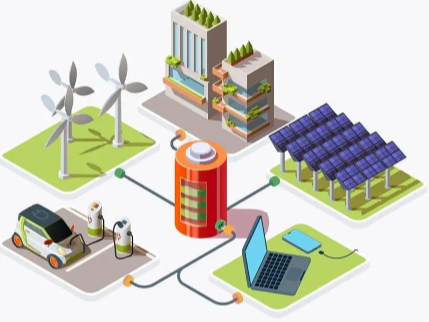
Intelligent infrastructure, particularly through smart grids and energy networks, represents a pivotal shift in energy management. By leveraging advanced technologies, these systems promote efficiency and sustainability, ultimately reshaping consumer engagement and resource allocation. The integration of smart meters and energy storage illustrates this evolution, yielding cost savings and environmental benefits. However, the implications for policy and community resilience remain to be explored, raising questions about the future landscape of energy management.
Key Components of Smart Grids
The architecture of smart grids is underpinned by several key components that enable enhanced efficiency, reliability, and adaptability in energy distribution.
Central to this framework are smart meters, which facilitate real-time data collection and consumer engagement, and energy storage systems, which optimize resource allocation and demand response.
Together, these elements foster a decentralized energy landscape, empowering individuals and communities to manage their energy usage autonomously.
Read Also: Integrating AI With Iot: the Smart Device Revolution
Benefits of Intelligent Infrastructure
While the transition to intelligent infrastructure presents challenges, its benefits are substantial and multifaceted.
The implementation of smart grids can lead to significant cost savings for consumers and utility providers alike. Additionally, these systems contribute to a reduced environmental impact through enhanced energy efficiency and the integration of renewable resources.
Such advancements not only promote economic freedom but also align with sustainable policy objectives.
The Future of Energy Networks
As energy networks evolve, the integration of advanced technologies and innovative management practices is poised to redefine the landscape of power distribution and consumption.
Future energy networks will prioritize renewable integration, enabling a decentralized energy model.
Furthermore, demand response initiatives will empower consumers, allowing for real-time adjustments in energy usage.
This transformation fosters resilience, efficiency, and ultimately, a more liberated energy landscape for all stakeholders.
Conclusion
In conclusion, the evolution of intelligent infrastructure, particularly through smart grids and energy networks, represents a pivotal shift towards a sustainable energy future. By harnessing real-time data and integrating renewable resources, these systems not only promise economic savings but also cultivate environmental stewardship. As communities embrace this decentralized energy landscape, they stand at the forefront of a green revolution, where efficiency and sustainability converge, illuminating the path toward resilient energy policies that benefit all stakeholders.